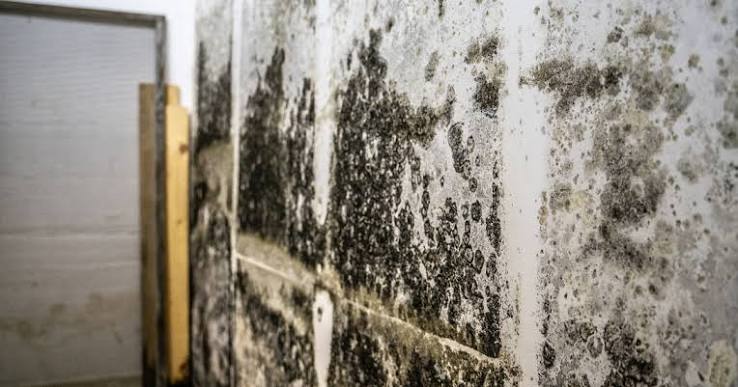
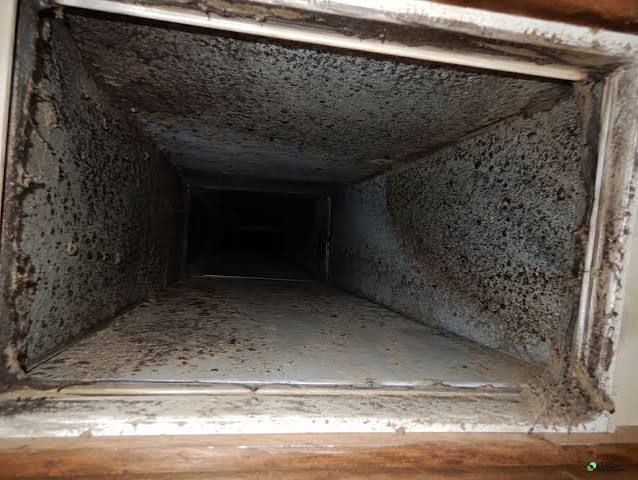
West Palm Beach sits in a climate that's built for mold: relative humidity that rarely drops below 70%, a June–September wet season that dumps most of our ~49 inches of annual rainfall in a few months, and a hurricane season that runs on the exact same calendar. Add in air conditioners that run nearly year-round — and the condensate lines, drip pans, and sweating ductwork that come with them — and it's no surprise mold is one of the most common calls a South Florida homeowner ever makes.
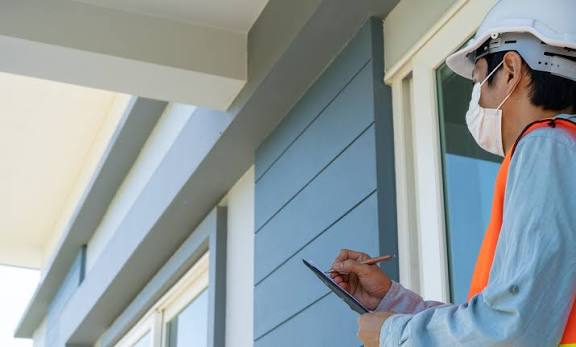
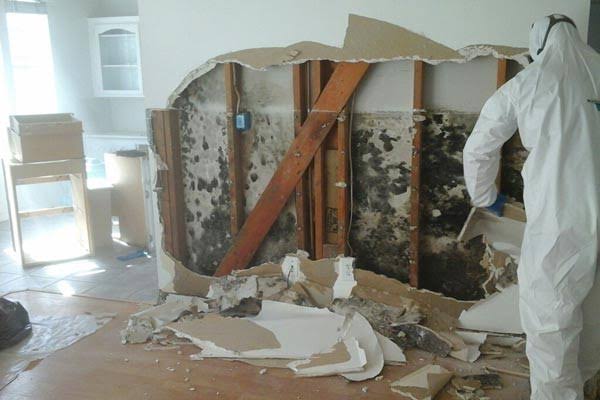
We're a locally based mold assessment and remediation crew serving West Palm Beach and the surrounding Palm Beach County communities. Florida is one of the few states that licenses mold assessors and mold remediators as two separate credentials through the DBPR, and we hold both — which means we don't just guess at a mold problem, we test for it, document it, remediate it to the ANSI/IICRC S520 standard, and then verify with independent clearance testing that the job actually worked.
Whether it's a musty closet in a 1920s El Cid bungalow, a stucco-block home with condensation trapped behind the walls, or a waterfront condo dealing with a curtain-wall leak, we've seen how mold behaves in this specific climate and this specific housing stock — and we know how to get rid of it for good.
Why Mold Comes Back So Fast in West Palm Beach
Most of the country treats mold as an occasional problem. In West Palm Beach, it's a climate feature. Average humidity sits in the high 60s to low 80s essentially year-round, and the wet season from June through September can drop 6–7 inches of rain in a single month. Add hurricane season — which overlaps the wet season almost exactly — and you get a recurring cycle of roof leaks, wind-driven rain intrusion, and multi-day power outages that shut off air conditioning right when a home needs dehumidification the most.
Even without a storm, day-to-day AC operation is a common culprit. Clogged condensate drain lines and overflowing drip pans are one of the leading causes of ceiling and closet mold we see in Palm Beach County homes, and older, uninsulated attics let humid outside air meet cold ductwork — a textbook recipe for condensation and, eventually, colonization.
CBS Block vs. Frame vs. Condo — Every Building Fails Differently
West Palm Beach's housing stock isn't uniform, and neither is how mold gets in. Concrete block stucco (CBS) construction, the dominant building method here since the 1950s, traps moisture behind non-breathable stucco finishes — problems tend to show up at window frames, expansion joints, and interior walls where condensation has nowhere to go. Older wood-frame and hybrid masonry homes in historic districts like El Cid, Flamingo Park, and Old Northwood are more prone to subfloor moisture and wood rot once water gets past aging barrel-tile roofs or original casement windows. And the downtown waterfront's growing collection of Intracoastal-facing condo towers brings its own set of issues — shared HVAC and chiller systems, curtain-wall sealant failures, and humid below-grade parking and mechanical areas.
We adjust our inspection and remediation approach to the building type, not a one-size-fits-all checklist — because a fix that works on a 1926 Mediterranean Revival home won't necessarily work on a 2019 concrete high-rise.
What Our Customers Say
“We had a musty smell in the guest room for months and two other companies just wanted to spray something and charge us. These guys tested first, found the actual leak behind the AC line, and gave us lab results before and after. Completely different level of service.”— Denise M., West Palm Beach
“After Hurricane season flooding got into our garage and part of the guest bathroom, they had a crew out within a day. Drying equipment went in immediately and it never turned into a mold problem because they moved fast.”— Carlos R., Lake Worth Beach
“Our HOA board needed documentation for the insurance company after a chiller room leak affected two units. They handled the whole thing professionally and the clearance report was exactly what we needed for the claim.”— Patricia G., Riviera Beach
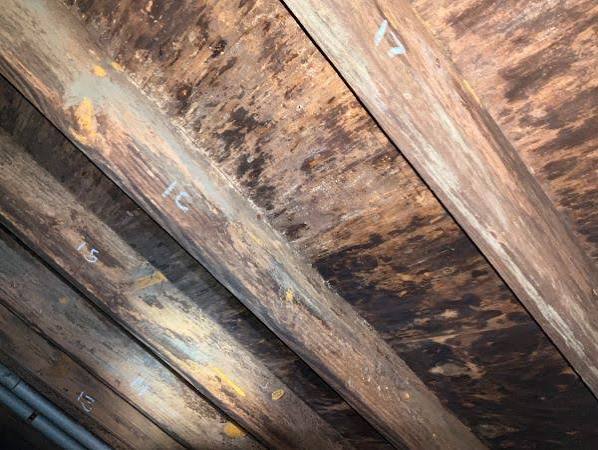
“Found mold in the attic of our 1928 home that we didn't even know was there until they pointed it out during an inspection for a sale. Fixed it fast and the buyer's inspector was satisfied with the clearance testing.”— Tom W., West Palm Beach
“Our AC unit was way oversized for the house and kept causing condensation issues in the hallway closet. They didn't just remediate it, they actually explained why it kept happening. First company that gave us a real answer instead of just a bill.”— Angela F., Royal Palm Beach
Frequently Asked Questions
Why does Florida license mold assessors and remediators separately?
The Florida DBPR created two distinct license types — mold assessor and mold remediator — specifically to keep the company diagnosing a mold problem separate from the company being paid to fix it. That structure protects you from a conflict of interest where a company has a financial incentive to find (or exaggerate) mold in order to sell remediation work. We hold both licenses and can explain exactly how a given job is scoped and verified.
How fast can mold actually start growing after water damage?
Under the right conditions — which are common in South Florida's humidity — mold can begin colonizing wet materials within 24 to 48 hours. That's why fast water extraction and structural drying after a storm, leak, or appliance failure is the single most effective thing you can do to prevent a full mold remediation job later.
Do you handle insurance claims for storm-related mold and water damage?
Yes. We document moisture readings, provide lab-confirmed testing results, and can work directly with your insurance adjuster on storm and water-loss claims. Having independent, third-party lab documentation tends to make claims move faster and get taken more seriously.
Is post-remediation clearance testing really necessary?
It's the only way to confirm remediation actually worked rather than just looking better. Clearance testing involves an independent visual inspection plus air or surface sampling compared to outdoor baseline readings. We recommend it on every job and offer it as a standalone service even for remediation done by another company.
My AC seems to be causing the mold — is that really possible?
Very possible, and it's one of the most common causes we see in West Palm Beach. Clogged condensate drain lines, overflowing drip pans, oversized units that cool faster than they dehumidify, and sweating ductwork in uninsulated attics are all real, frequent sources of indoor mold in our climate — separate from any roof leak or storm damage.
Do you work on condos and HOA common areas, not just single-family homes?
Yes. We regularly work with condo associations and HOA boards along West Palm Beach's waterfront corridor and Singer Island, handling both individual units and shared common-area issues like chiller room leaks or curtain-wall intrusion, with the documentation boards typically need for insurance purposes.
 561-960-5725