
πŸ“ž Call for a Free Quote: 561-960-5725

Mold Inspection & Testing in West Palm Beach, FL

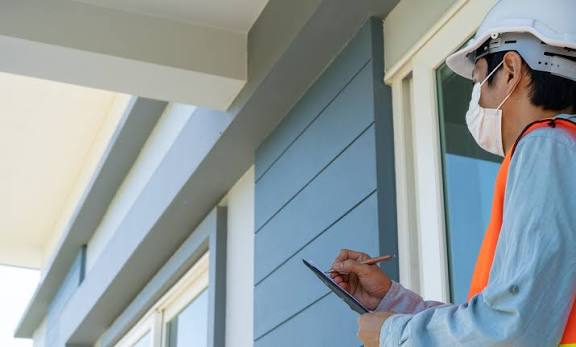
Licensed mold inspector documenting exterior siding conditions on a West Palm Beach home

Before any mold job starts, Florida law requires a proper assessment β€” and under the state's DBPR licensing rules, that assessment is meant to come from a licensed mold assessor working independently of the remediation crew. We perform a full visual inspection, moisture mapping with thermal and probe meters, and air and surface sampling sent to a third-party lab, so you get an objective picture of what's actually growing, where it's spreading, and what's driving it (a roof leak, a condensate line, wind-driven rain intrusion, or simple humidity).

You'll get a written report with lab results and a defined scope of work β€” not a verbal guess. That documentation matters if you're filing an insurance claim after a storm, selling a home, or just want proof of what you're paying to have removed.

We test attics, crawl spaces where present, HVAC systems, and any visibly affected rooms, and we're upfront when a musty smell turns out to be moisture without active mold growth β€” you shouldn't pay for remediation you don't need.

πŸ“ž Call 561-960-5725

Request This Service

* Indicates required field

Why Assessment and Remediation Are Kept Separate

Florida's DBPR mold licensing rules exist specifically to prevent a conflict of interest: a company that profits from remediation work shouldn't be the one deciding how much remediation is needed. Our assessment process β€” visual inspection, thermal and probe moisture mapping, and third-party lab sampling β€” is built to give you an objective scope before any removal work is priced, not a sales pitch dressed up as an inspection.

What the Lab Results Actually Tell You

Air and surface samples go to an independent lab and come back with species identification and spore counts, compared against an outdoor baseline sample taken the same day. That comparison matters β€” some mold spore presence is normal outdoors and in any home; what the lab is really checking is whether indoor counts are elevated above that baseline and what's driving it, not just whether mold exists at all.

When the Answer Is Moisture, Not Mold

A musty smell doesn't always mean active mold growth β€” sometimes it's a moisture problem that hasn't progressed that far yet, or a source that's since dried out. We're upfront when testing comes back clean or borderline, because remediation you don't need is money spent solving the wrong problem, and the actual fix might be as simple as correcting ventilation or a condensate line.

Step by Step: What Happens During Your Inspection Visit

We start with a full walkthrough of the property, noting any visible staining, past water events, or musty odors you've already flagged. From there we run a thermal imaging scan across exterior walls, ceilings, and window frames to spot temperature differentials that often indicate trapped moisture behind a finished surface, then follow up with a pin or pinless moisture meter directly on any suspect material to confirm what the camera picked up. Once we've mapped the moisture, we collect air samples with a calibrated spore trap pump in each affected zone plus one outdoor baseline sample, and take surface samples β€” tape lifts or swabs β€” from any visible growth. Every sample is logged with its exact location, sealed, and sent to the lab under a documented chain of custody, and we walk you through what we found and why before we ever leave the property.

The Equipment We Bring, and Why Each Tool Matters

A visual inspection alone misses more than it catches, which is why we bring the same equipment a licensed assessor is expected to carry rather than doing a walkthrough with a flashlight. A thermal imaging camera finds temperature anomalies consistent with hidden moisture behind drywall or stucco long before a stain becomes visible. Pin-type moisture meters give us an exact percentage reading inside wood framing and drywall, while pinless meters let us scan a wider wall area non-invasively first. A borescope lets us look inside a wall cavity or behind a cabinet through a small drilled access hole when moisture readings suggest something is happening we can't see directly, and a hygrometer logs ambient relative humidity in each room so we can compare it against what's normal for the season.

Hidden-Mold Warning Signs Beyond a Musty Smell

Plenty of homeowners call us for a smell, but just as many call because something else felt off first. Peeling paint or bubbling wallpaper on an interior wall, especially one that backs up to the exterior or runs alongside a condensate line, is a classic early sign of moisture working underneath a painted surface. Baseboards that feel soft or have started to warp near an exterior wall or under a window are worth checking even without any visible discoloration. An AC system that runs constantly but never quite gets the humidity down, or allergy symptoms that consistently ease up once you leave the house, are both patterns we hear often from clients who turn out to have an active, if not yet visible, mold problem.

What's Actually in Your Written Report

The report you receive isn't a one-page summary β€” it includes dated photos of every area inspected, a floor plan or room-by-room breakdown showing exactly where moisture readings and samples were taken, the full lab results with species identification and spore counts compared against your property's outdoor baseline, and a written scope of work if remediation is warranted. If you're using the report for an insurance claim, a real estate transaction, or a dispute with a landlord, this level of documentation is what makes it usable rather than just informative. We also keep a copy on file, so if a question comes up later β€” during remediation, during a sale, or during a follow-up visit β€” we're not starting from scratch.

Mold Inspection & Testing FAQs

How long does a mold inspection and testing visit actually take?

The on-site visual inspection and sampling typically runs one to two hours depending on the home's size and how many areas need moisture mapping. Lab analysis of air and surface samples usually adds two to five business days, though we can request expedited turnaround for real estate closings or urgent situations.

Can I just use a store-bought mold test kit instead?

Petri-dish kits sold at hardware stores will usually grow something, because mold spores are present in outdoor air everywhere β€” they can't tell you whether indoor levels are elevated above a normal outdoor baseline, and they can't identify species. A licensed assessor's lab sampling includes that outdoor comparison sample, which is the part that actually makes the result meaningful.

Which parts of the house do you actually test?

We start with a full visual walkthrough and thermal/probe moisture mapping to find suspect areas, then focus sampling on those spots plus any high-risk zones for South Florida homes specifically β€” attic decking, HVAC supply and return runs, window and door frames, and baseboards below AC condensate lines or exterior walls.

Areas We Serve

Proudly providing mold remediation across the region:

Get Mold Inspection & Testing in West Palm Beach Today

Fast response, upfront pricing, and friendly local pros. Call now for a free quote.

πŸ“ž Call 561-960-5725