
πŸ“ž Call for a Free Quote: 561-960-5725

Commercial & Condo/HOA Mold Remediation in West Palm Beach, FL

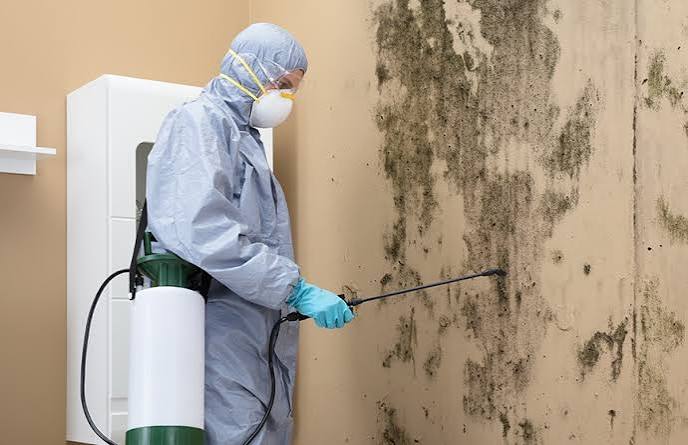
Technician applying antimicrobial treatment to a mold-affected commercial building wall

West Palm Beach's dense downtown and waterfront corridor β€” lined with Intracoastal-facing condo towers along South Flagler Drive β€” means a large share of the area's mold calls come from shared and commercial spaces, not just single-family homes. Condo and HOA buildings bring their own challenges: shared HVAC or chiller systems that can spread a moisture problem across multiple units, curtain-wall and window-sealant failures common on high-rise construction, and humid below-grade parking or mechanical rooms.

We work with property managers, HOA boards, and business owners to scope and schedule remediation with minimal disruption β€” after-hours and weekend work is available for occupied buildings, and we provide the documentation HOA boards and commercial landlords typically need for insurance and liability purposes.

From a single office suite to a full common-area remediation after a chiller-room leak, we scale the crew and containment plan to the space.

πŸ“ž Call 561-960-5725

Request This Service

* Indicates required field

What Makes Condo and HOA Buildings Different

Shared HVAC or chiller systems can spread a moisture problem across multiple units far faster than in a single-family home, curtain-wall and window-sealant failures are common on high-rise construction along West Palm Beach's Intracoastal-facing towers, and humid below-grade parking or mechanical rooms create their own persistent moisture sources most residential jobs never involve.

Scheduling Around an Occupied Building

We work with property managers, HOA boards, and business owners to scope and schedule remediation with minimal disruption to residents or tenants, and after-hours and weekend work is available for occupied buildings β€” a shared-system mold problem doesn't wait for a convenient time, and neither should the response.

Documentation for Boards and Landlords

We provide the documentation HOA boards and commercial landlords typically need for insurance and liability purposes, and we scale the crew and containment plan to the space β€” from a single office suite to a full common-area remediation after a chiller-room leak affecting multiple floors.

Our Process for Multi-Unit and Commercial Buildings

We coordinate with property management or the board first, before any work begins, to confirm scope, access, and scheduling that fits the building's operations. Affected unit owners or tenants get notified directly about timing and any temporary access restrictions, and for jobs affecting shared systems or common areas, we typically phase containment so the rest of the building can stay occupied and operational rather than shutting down more of the property than the job actually requires. We close out with a walkthrough alongside board members or property management, reviewing the completed work and the clearance documentation together before considering the job finished.

Liability and Insurance Considerations Unique to HOAs

Condo and HOA mold claims frequently run into disputes over whether a given area falls under the association's master insurance policy or an individual unit owner's policy β€” a shared chiller room leak that damages a unit's interior drywall, for example, can trigger a coverage argument between the two policies before either insurer wants to pay. Clear, dated documentation of what caused the moisture, where it originated, and which systems were involved gives the board's attorney or insurance liaison something concrete to work from rather than a dispute based on conflicting verbal accounts, and that documentation is often what actually resolves who pays for what.

Common Trouble Spots in Commercial Buildings

Office and retail spaces have their own recurring mold sources that look different from a residential job. Break rooms and kitchenettes with an under-sink leak that goes unnoticed for weeks because nobody's specifically checking that cabinet are a frequent culprit. Restroom exhaust fans that vent into an attic or ceiling cavity instead of all the way to the building exterior can quietly feed moisture into that space for years. Retail walk-in coolers and cold rooms generate their own condensation load at the wall-ceiling junction where warm and cold air meet, which is a source most commercial tenants never think to check until a smell gives it away.

Working with Multiple Stakeholders

A single homeowner can approve a remediation scope on the spot; an HOA board typically can't, since larger expenditures often require board votes, a bid comparison process, or a membership notification depending on the association's governing documents. We provide detailed, itemized bid documentation specifically built for that kind of multi-person review, so board members evaluating the job independently are working from the same clear scope and pricing rather than a verbal summary that gets relayed secondhand. It takes longer to get to a signed approval than a single-family job, and we build that reality into how we schedule and follow up.

After-Hours and Emergency Response for Active Businesses

A retail store, restaurant, or medical office usually can't afford to close for days while remediation happens, so we schedule containment and removal work overnight or before opening hours whenever the scope allows it, and phase larger jobs across a weekend when a full closure window is unavoidable. For businesses that can operate with part of the space unavailable, we contain just the affected section and keep the rest open rather than treating the whole space as off-limits. Emergency situations β€” a burst pipe or AC failure discovered right before opening β€” get the same fast-response priority we give residential water intrusion, since every hour a commercial space stays closed has a real cost attached to it.

Certificates of Completion and Re-Occupancy Documentation

Property managers and boards typically need more than our standard job summary before authorizing tenants or residents back into a treated space β€” they need a certificate of completion that explicitly states the scope of work performed, the date containment was removed, and confirmation that post-remediation clearance testing passed. That document is built to be filed alongside board meeting minutes or a building's liability records, not just handed to whoever asks. We provide it as a standard part of any commercial or common-area job, since a verbal "it's done" from a contractor isn't something a board can point to later if a question comes up.

Scaling the Crew to the Job

A single office suite with a small under-sink leak might need one or two technicians and a day of work, while a full common-area remediation after a chiller-room failure affecting multiple floors calls for a much larger crew, multiple negative-air machines running simultaneously, and a coordinated phasing plan so different zones can be worked and cleared independently rather than treating the whole building as one undifferentiated job. We size the crew and equipment to the actual footprint and complexity of the space rather than applying a fixed residential-sized approach to a commercial-scale problem, which is part of why our commercial bids include a specific staffing and equipment plan rather than a flat per-square-foot number.

Areas We Serve

Proudly providing mold remediation across the region:

Get Commercial & Condo/HOA Mold Remediation in West Palm Beach Today

Fast response, upfront pricing, and friendly local pros. Call now for a free quote.

πŸ“ž Call 561-960-5725