
πŸ“ž Call for a Free Quote: 561-960-5725

HVAC & Air Duct Mold Remediation in West Palm Beach, FL

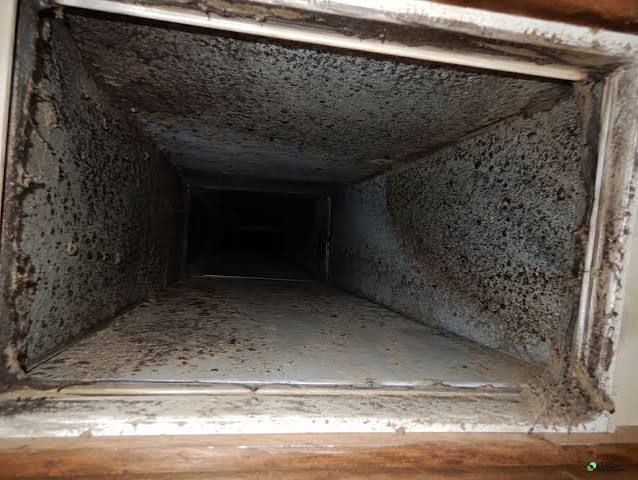
Mold and debris buildup inside an HVAC air duct in need of remediation

Your AC system is supposed to be pulling humidity out of the air, but in South Florida it's just as often the source of the problem. Clogged condensate drain lines back up and overflow drip pans, oversized units cool the air faster than they dehumidify it, and flex ductwork run through hot, humid attics can sweat on the outside and grow mold on the inside if the vapor barrier is damaged.

We inspect ductwork, coils, drip pans, and condensate lines for active growth and moisture damage, then clean and treat affected sections β€” replacing ductwork where contamination is too extensive to remediate safely. Because a moldy HVAC system recirculates spores through every room it serves, this is often the highest-priority fix in a whole-home mold case, even when the visible damage is in just one room.

We also flag simple maintenance issues β€” a clogged drain line, an oversized or aging unit β€” that keep causing the same problem year after year if they're never addressed.

πŸ“ž Call 561-960-5725

Request This Service

* Indicates required field

Why the AC System Is Often the Real Source

An AC system is supposed to be pulling humidity out of the air, but a clogged condensate drain line backing up into a drip pan, or a unit oversized for the space that cools air faster than it dehumidifies it, can turn the system itself into the moisture source. We inspect drain lines, drip pans, and coils specifically for this pattern before assuming the mold problem originates somewhere else in the building.

Ductwork Sweating From the Inside Out

Flex ductwork run through hot, humid attics can sweat on the exterior if the vapor barrier is damaged, and that moisture works its way to the interior surface where it supports mold growth inside the very ducts distributing conditioned air to every room. We inspect ductwork sections for both external vapor-barrier damage and internal growth, since the fix differs for each.

Why This Is Often the Top Priority in a Whole-Home Case

A moldy HVAC system recirculates spores through every room it serves, which is why this is frequently the highest-priority fix in a multi-room mold case even when visible damage is confined to one area. We clean and treat affected ductwork and coils, replace sections where contamination is too extensive to remediate safely, and flag maintenance issues β€” a clogged drain line, an aging or oversized unit β€” that keep recreating the problem.

Our Inspection Process for HVAC Mold

We start with a visual inspection of accessible ductwork, the air handler cabinet, and the condensate pan and line, then use a borescope to look inside duct runs and behind coils where growth isn't visible from the outside. Because a moldy HVAC system can smell like it's the source even when the real problem is elsewhere in the house, we compare air samples taken directly from a supply vent against a sample from the general room air and an outdoor baseline β€” if the supply-vent sample comes back elevated relative to the room air, that's a strong indicator the system itself is contributing spores rather than just distributing them.

Duct Cleaning vs. Duct Replacement

When contamination is limited to the coil, drip pan, or the metal plenum near the air handler, cleaning and treating those components is usually sufficient, since they're non-porous surfaces that respond well to HEPA vacuuming and antimicrobial treatment. Flex ductwork is a different story β€” its interior liner is a porous fiberglass material, and once mold has colonized that liner, it can't be reliably cleaned out the way a hard-surfaced duct can. In that situation, replacing the affected duct sections is the only fix that actually resolves the contamination rather than temporarily masking it.

UV Lights and Other Add-Ons: Do They Help?

UV-C germicidal lights installed near the evaporator coil can help suppress future microbial growth on that coil by continuously disinfecting the surface air passes over, and we're comfortable recommending them as a preventive add-on for a system that's had recurring coil growth. What they can't do is remediate existing contamination elsewhere in the ductwork or resolve a moisture source like a clogged condensate line β€” a UV light treats a coil, not a whole distribution system, and we're upfront that it's a supplement to proper remediation and maintenance, not a substitute for either.

Preventing Repeat Growth After Treatment

An HVAC mold problem that isn't addressed at the maintenance level tends to come back, so we flag the specific habits and conditions that led to it. Annual condensate line flushing, sometimes with an algaecide tablet dropped into the drain access point, keeps the most common failure point β€” a clogged line backing up into a drip pan β€” from recurring. Confirming a replacement unit is correctly sized for the square footage it serves matters too, since an oversized unit cools the air fast without running long enough to pull adequate humidity out. Sealing any vapor-barrier breaches we find on ductwork closes off the sweating-from-the-inside pathway before it starts again.

Warranty and Manufacturer Considerations

DIY duct cleaning kits and some uncertified cleaning services use chemical treatments or equipment that isn't compatible with every manufacturer's ductwork or coil coatings, and using the wrong product can void a manufacturer's warranty on a relatively new system without the homeowner realizing it until a later claim gets denied. We use cleaning and antimicrobial methods compatible with standard manufacturer specifications, and for a system still under warranty, we can point you to what the manufacturer's documentation actually allows before any treatment goes anywhere near the coil or ductwork.

How Often Ductwork Should Be Inspected

Most South Florida homes benefit from an HVAC and duct inspection at least once a year, ideally timed before the heaviest part of wet season when the system runs hardest and condensation risk is highest. Homes with a history of condensate line clogs or prior mold findings are often better served checking every six months instead, since a recurring failure point is worth catching before it becomes a full remediation job again. Any home that's just had a new AC unit installed is also worth inspecting within the first year β€” a newly installed system that isn't correctly sized or commissioned can develop the same condensation and humidity problems as an aging one, just for a different underlying reason.

Areas We Serve

Proudly providing mold remediation across the region:

Get HVAC & Air Duct Mold Remediation in West Palm Beach Today

Fast response, upfront pricing, and friendly local pros. Call now for a free quote.

πŸ“ž Call 561-960-5725