
πŸ“ž Call for a Free Quote: 561-960-5725

Mold Removal & Remediation in West Palm Beach, FL

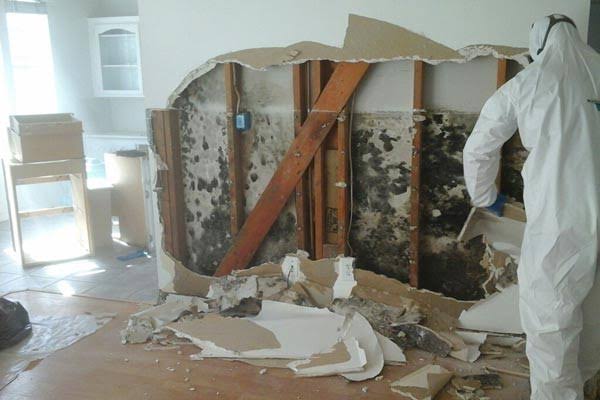
Remediation technician in PPE removing mold-contaminated drywall down to the studs

Once an assessment identifies a mold problem, our remediation crew handles the physical removal β€” sealing off the work area with plastic containment, running negative-air HEPA filtration to keep spores from migrating to unaffected rooms, and safely removing porous materials (drywall, insulation, carpet padding) that can't be cleaned. Non-porous surfaces are HEPA-vacuumed and treated with an EPA-registered antimicrobial.

We handle everything from a single bathroom ceiling to whole-room remediation after a burst pipe or roof failure, and we coordinate the rebuild scope with your contractor or insurance adjuster so there's no gap between demo and repair.

Every job wraps up with a clean, documented workspace ready for post-remediation clearance testing β€” the step that confirms the job actually worked, not just that it looks better.

πŸ“ž Call 561-960-5725

Request This Service

* Indicates required field

Containment First, Removal Second

Before any demolition starts, we seal the work area with plastic sheeting and run negative-air HEPA filtration to keep spores from migrating into unaffected rooms through HVAC returns or open doorways. This containment step is what separates controlled remediation from just tearing out moldy drywall and stirring spores through the rest of the house.

What Gets Removed vs. What Gets Treated

Porous materials that have absorbed mold growth β€” drywall, insulation, carpet padding β€” get removed and disposed of, because mold grows into the material itself and can't be reliably cleaned out. Non-porous surfaces like tile, glass, and solid framing are HEPA-vacuumed and treated with an EPA-registered antimicrobial instead of being replaced.

Coordinating the Rebuild So There's No Gap

Remediation leaves a space ready to rebuild, not finished β€” we coordinate scope with your contractor or insurance adjuster so drywall, flooring, or cabinetry replacement starts promptly once clearance testing confirms the space is clean, rather than sitting open while paperwork catches up.

The S520 Standard, Step by Step

Remediation to the ANSI/IICRC S520 standard follows a defined sequence rather than an improvised cleanup. We confirm the scope from the assessment report first, then set up engineering controls β€” plastic containment barriers and negative-air HEPA filtration β€” before any material is disturbed. Affected porous materials are removed and bagged for disposal, remaining surfaces are HEPA-vacuumed to remove settled spores, and an EPA-registered antimicrobial is applied to treated framing and non-porous surfaces. The space is then dried to a verified moisture standard, because remediating a still-wet cavity just invites the same growth back within weeks. Only after all of that is the space considered ready for the independent clearance testing that confirms the job actually worked.

Equipment on a Remediation Job

Negative-air machines, sometimes called air scrubbers, pull air through HEPA filtration and vent it outside the containment area, creating negative pressure so airborne spores get filtered out rather than drifting into the rest of the home. HEPA vacuums β€” not standard shop vacuums, which can push fine spores right back into the air β€” handle surface cleanup on framing and non-porous materials. Air movers speed structural drying once contaminated material is out, and moisture meters get used throughout the job, not just at the start, to confirm framing and subfloor are actually reaching a dry standard before containment comes down. Technicians wear PPE scaled to the job β€” an N95 or half-face respirator and disposable coveralls for smaller jobs, full-face respirators and Tyvek suits for larger or more heavily contaminated ones.

Common Misconceptions About Mold Removal

Bleach is the most common DIY response to mold, and it's also one of the least effective on porous materials β€” it can lighten the surface color of drywall or wood without touching the mold growing into the material itself, which is why porous materials that have absorbed growth get removed rather than bleached. "Killing" mold with a spray isn't really the goal either; dead mold spores can still trigger allergic reactions and continue producing the musty odor compounds that make a space unpleasant, so removal matters more than sterilization. Painting over a mold-affected area is probably the most common mistake we see, since it seals the problem out of sight without addressing either the growth or the moisture source feeding it, and it usually shows back up through the new paint within a season.

How This Differs from General Contractor 'Mold Cleanup'

Florida law requires a licensed mold remediator for any remediation project affecting more than 10 square feet of contiguous moldy material β€” a threshold a lot of homeowners and even some contractors aren't aware of. A general handyman or contractor doing demolition on a moldy bathroom without that license, or without proper containment, isn't just cutting a corner on paperwork; they're skipping the negative-air containment and PPE protocols that keep spores from spreading into the rest of the house during removal. We carry the required remediator license for jobs of any size, and for anything at or near that 10-square-foot threshold, that licensing distinction is exactly what separates a contained, documented remediation from a demolition job that happens to also remove some moldy drywall.

Documentation You Receive at Job Completion

When containment comes down, you get more than a verbal "we're done." We provide a written scope summary of exactly what was removed and treated, dated photos taken throughout the job, a disposal manifest for materials that were bagged and hauled away, and confirmation that the space has reached the moisture standard needed before clearance testing can proceed. This is the same documentation package that holds up for an insurance claim, a warranty question down the road, or simply your own records β€” and it's assembled as we go rather than reconstructed from memory after the crew has already left.

Mold Removal & Remediation FAQs

How long does a typical mold remediation job take?

A single bathroom or closet is often a one- to two-day job once containment is set up. Whole-room remediation after a burst pipe or roof failure can run three to five days, and multi-room or whole-home cases take longer depending on how much porous material needs removal. We give you a specific timeline once the scope is set from the assessment.

Do I need to move out of the house during remediation?

Usually not for a contained, single-area job β€” negative-air containment is built specifically so the rest of the home stays livable while we work. Whole-home cases, or jobs involving the HVAC system that serves the entire house, sometimes call for staying elsewhere for a few days, and we'll tell you upfront if your specific job falls into that category.

Will homeowner's insurance cover the cost of remediation?

It depends on the cause. Mold resulting from a sudden, covered event β€” a burst pipe or storm-driven roof leak β€” is often covered, sometimes with a mold-specific sublimit. Mold attributed to long-term humidity, a slow undetected leak, or lack of maintenance is frequently excluded. We document the cause during assessment, which is exactly the kind of evidence adjusters ask for either way.

Areas We Serve

Proudly providing mold remediation across the region:

Get Mold Removal & Remediation in West Palm Beach Today

Fast response, upfront pricing, and friendly local pros. Call now for a free quote.

πŸ“ž Call 561-960-5725