
πŸ“ž Call for a Free Quote: 561-960-5725

Post-Remediation Verification Testing in West Palm Beach, FL

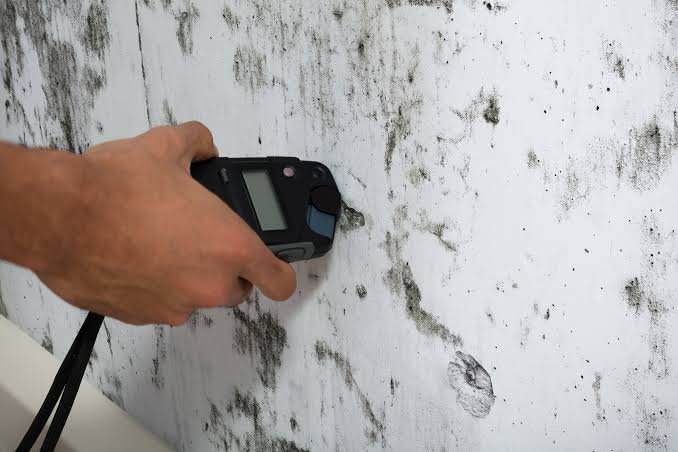
Moisture meter reading used to verify a wall has returned to a normal moisture level

Under Florida's DBPR structure, the standard of practice calls for an independent assessor β€” not the remediation crew that did the work β€” to verify a job is complete. That separation exists for a good reason: it means the company grading the work has no financial interest in calling it "done" early.

Clearance testing includes a visual inspection for any remaining visible growth or moisture, and air and/or surface sampling compared against outdoor baseline readings to confirm spore counts are back to a normal range. You get a written clearance report you can hand to an insurance company, a buyer's inspector, or a property manager as documented proof the remediation worked.

We offer this as a standalone service even if another company did the remediation work β€” a second, independent set of eyes is exactly the point.

πŸ“ž Call 561-960-5725

Request This Service

* Indicates required field

Why Independent Verification Matters

Florida's DBPR standard of practice calls for an assessor independent of the remediation crew to verify a job is actually complete β€” that separation exists because a company grading its own work has an obvious incentive to call it done early. We offer this as a standalone service even when another company performed the remediation.

What Clearance Testing Actually Checks

Clearance testing combines a visual inspection for any remaining visible growth or moisture with air and/or surface sampling compared against an outdoor baseline sample β€” the same comparison used in the original assessment, so results can be measured against a consistent standard rather than a subjective before-and-after impression.

The Report You Actually Get to Keep

You receive a written clearance report with lab results you can hand to an insurance company, a buyer's home inspector during a sale, or a property manager as documented proof the remediation worked β€” not a verbal assurance that has no value once the crew has left.

The Clearance Testing Process, Step by Step

We start with a visual re-inspection of the remediated area, checking for any remaining visible growth, staining, or moisture before sampling even begins β€” a space that fails visual inspection doesn't move on to lab testing until that's addressed. From there we collect air samples in each treated zone using the same calibrated spore trap method used in the original assessment, take surface samples on treated framing or surfaces where it's warranted, and collect an outdoor baseline sample during the same visit so results have a consistent point of comparison. Samples go to an independent lab, and the same two-to-five-business-day turnaround that applies to initial testing applies here.

What Happens If a Room Fails Clearance

A failed clearance result doesn't mean starting the remediation over from scratch β€” it means something specific wasn't fully addressed, and the report identifies where. That might be a section of framing that still shows elevated moisture, a spot that was missed during HEPA vacuuming, or an area where containment wasn't fully effective. We communicate the specific finding to the remediation contractor β€” whether that's us or another company β€” so the targeted area can be re-cleaned or re-treated, and then we re-test just that area rather than re-testing the entire space from scratch.

Who Typically Requests This

Insurance companies frequently require independent clearance testing before releasing final payment on a mold-related claim, since it gives them documented proof the work they're paying for actually resolved the problem. Real estate closings often need it when mold was identified during due diligence and remediation was negotiated as part of the deal. Landlords and HOA boards request it before re-occupying a unit or common area after a remediation, both for liability protection and tenant assurance. And some occupants β€” particularly those with respiratory sensitivities or young children in the home β€” simply want the extra, independent confirmation beyond the remediation crew's own sign-off.

How Soon After Remediation Can Testing Happen

Materials need to be fully dry before clearance testing is meaningful, so we coordinate timing with whoever performed the remediation to confirm drying has actually completed rather than testing prematurely. In practice, that's often within a day or two of the final HEPA vacuum pass, once dust and any residual antimicrobial mist has had time to settle and normal air circulation has resumed in the space. Testing too soon after active work β€” while settled dust is still elevated from the remediation process itself β€” can produce a false read that doesn't reflect the space's actual, settled condition.

What 'Passing' Clearance Actually Means

There's no single fixed numeric standard β€” no EPA or OSHA threshold β€” that defines a universal "pass" spore count for indoor air, which surprises some homeowners expecting a simple number. Instead, clearance testing works by comparison: indoor sample results are measured against the outdoor baseline sample taken the same day, and the standard we apply is whether indoor spore counts and species composition are consistent with that outdoor baseline rather than showing an elevated indoor-specific presence. That comparison-based method is the accepted industry approach precisely because "normal" varies by location, season, and weather, and a fixed universal number wouldn't account for any of that.

Verification for DIY or Handyman Remediation

If a homeowner or an unlicensed handyman already tackled a mold problem without a documented, standards-based process, independent verification testing is still available β€” and honestly, it matters more in that situation, not less, since there's no S520-standard documentation to fall back on if something was missed. We approach it the same way we would verifying another remediation company's work: a full visual inspection plus air and surface sampling against an outdoor baseline, with no assumptions made about what was or wasn't done correctly during the original cleanup. If the space doesn't pass, we can scope what's still needed rather than treating it as a mystery.

Clearance Testing vs. a Regular Follow-Up Visit

These aren't the same service, and we're careful not to blur them. A follow-up visit is a general check-in β€” looking for new issues, confirming a previously treated area still looks fine β€” without the formal sampling protocol or outdoor baseline comparison that clearance testing requires. Clearance testing is a defined, documented process specifically meant to produce a report that others β€” insurers, buyers, lenders β€” can rely on as proof a specific remediation job worked. If what you actually need is documented proof for a third party, a casual follow-up visit won't serve that purpose the way formal clearance testing will.

Areas We Serve

Proudly providing mold remediation across the region:

Get Post-Remediation Verification Testing in West Palm Beach Today

Fast response, upfront pricing, and friendly local pros. Call now for a free quote.

πŸ“ž Call 561-960-5725