
πŸ“ž Call for a Free Quote: 561-960-5725

Water Damage Restoration in West Palm Beach, FL

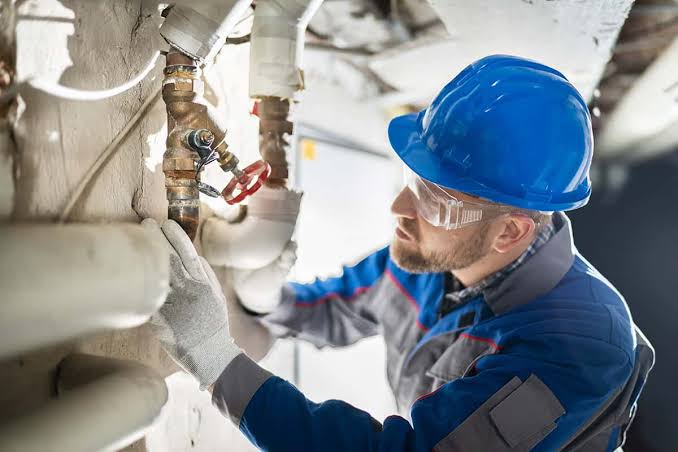
Technician inspecting plumbing and water lines to identify the source of a water intrusion

Mold can begin colonizing wet building materials within 24 to 48 hours, which makes the speed of water extraction and drying the biggest factor in whether a water event turns into a mold job. We respond to storm flooding, burst pipes, roof leaks, and appliance failures with commercial extraction equipment, industrial dehumidifiers, and air movers positioned to dry structural materials from the inside out, not just the surface.

We document moisture readings throughout the drying process with photos and meter logs, which matters for insurance claims and gives you objective proof the structure reached dry standard β€” not just a guess that "it looks dry now."

Because our team also handles mold assessment and remediation, we catch it immediately if a water loss has already progressed into active mold growth, and we can scope both the drying and the remediation in one visit instead of sending you to a second company.

πŸ“ž Call 561-960-5725

Request This Service

* Indicates required field

The 24-to-48-Hour Window That Determines Everything

Mold can begin colonizing wet building materials within 24 to 48 hours of a water event, which makes response speed the single biggest factor in whether a water loss stays a drying job or becomes a mold job too. We prioritize extraction and equipment deployment accordingly, since every hour water sits is an hour closer to that window closing.

Drying From the Inside Out, Not Just the Surface

Commercial extraction equipment removes standing water fast, but industrial dehumidifiers and air movers are positioned based on moisture mapping β€” finding water that's already migrated into wall cavities, subfloor, and framing β€” so drying targets the structure itself, not just the visible wet surface. We log moisture readings throughout with photos and meter data as the drying progresses.

Why One Team Handling Both Matters

Because our team also handles mold assessment and remediation, we catch it immediately if a water loss has already progressed into active mold growth during the same visit, and we can scope both the drying and the remediation together instead of sending you to a second company and starting the assessment process over from scratch.

Our Water Damage Response Process

The first step on arrival is classifying the water source, since a clean supply-line break is handled differently than water that's picked up contaminants on its way into the structure. From there we deploy extraction equipment to remove standing water immediately, then use moisture mapping β€” thermal imaging and probe meters across walls, subfloor, and framing β€” to find out how far the water has actually migrated before placing a single air mover or dehumidifier. Equipment gets positioned based on that map, not a generic room-by-room setup, and we monitor and log moisture readings daily until the structure reaches a verified dry standard rather than just looking dry to the eye.

Categories and Classes of Water Damage

The IICRC S500 standard classifies water damage by both source and extent, and both matter for how a job gets scoped. Category 1 is clean water from a source like a supply line, Category 2 is gray water carrying some contaminants such as a washing machine overflow, and Category 3 is black water β€” sewage backup or storm surge intrusion β€” that requires more aggressive material removal and PPE. Separately, the "class" of a loss describes how much material and how large an area absorbed water, from a small, contained Class 1 loss to a Class 4 loss involving low-permeance materials like hardwood or plaster that hold moisture and dry much more slowly. We classify both dimensions on every job because they drive different equipment and material decisions.

What Insurance Adjusters Look For

A water damage claim moves faster when the documentation matches what adjusters are trained to look for. That means timestamped photos of the damage as we find it, moisture logs showing readings over the course of drying rather than a single before-and-after snapshot, equipment run-time records showing dehumidifiers and air movers were actually deployed and for how long, and a clear determination of cause β€” sudden pipe failure versus long-term seepage, for instance β€” since that distinction often decides whether the loss is covered at all. We build that documentation into every job regardless of whether a claim has been filed yet, since it's far easier to have it and not need it than to reconstruct it after the fact.

Common Mistakes Homeowners Make Before We Arrive

Running box fans on wet material without dehumidification is one of the most common well-intentioned mistakes β€” it can actually spread airborne spores from any mold that's already started, without meaningfully speeding structural drying the way a proper air mover and dehumidifier combination does. Waiting a day or two to "see if it dries out on its own" is another costly one, since that delay can be the difference between a straightforward drying job and one that's crossed into active mold growth. And in active leak or supply-line situations, not shutting off the water source first β€” assuming a plumber needs to do it β€” wastes response time that matters most in exactly this kind of emergency; most shutoff valves are something we can point you to over the phone before we even arrive.

How Drying Equipment Placement Actually Works

Air movers aren't just placed to blow air around a wet room β€” they're angled to create airflow across a wet surface, which speeds evaporation by constantly replacing the humid air layer sitting directly against that surface. Dehumidifiers are sized to the cubic footage of the affected area and the moisture load we're pulling out, and placing an undersized unit in a large affected space just extends the drying timeline without actually failing outright. For materials that have absorbed water deeper than the surface β€” subfloor, wall cavities behind drywall we've had to remove β€” we sometimes use specialized injection or cavity drying systems designed to move air directly through the material rather than just around it.

Air Quality During Active Drying

Running extraction equipment, air movers, and dehumidifiers for several days can stir up dust and, if any mold has already started, disturb spores that would otherwise stay settled β€” so on jobs where there's any indication mold may already be present, we run air scrubbers alongside the drying equipment to filter that air rather than just moving it around. This matters most in occupied homes, where residents are breathing that air throughout the multi-day drying process, not just at the start and end of the job. We also recommend keeping the drying area closed off from the rest of the house where practical, for the same reason we'd contain a mold job β€” it's a small step that meaningfully limits what spreads to unaffected rooms.

Areas We Serve

Proudly providing mold remediation across the region:

Get Water Damage Restoration in West Palm Beach Today

Fast response, upfront pricing, and friendly local pros. Call now for a free quote.

πŸ“ž Call 561-960-5725