
πŸ“ž Call for a Free Quote: 561-960-5725

Black Mold (Stachybotrys) Removal in West Palm Beach, FL

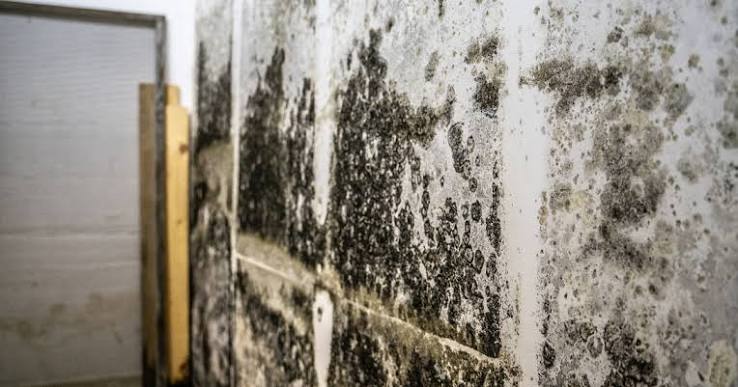
Heavy black mold colonization on an interior wall corner requiring specialized removal

Not all mold is created equal, and Stachybotrys chartarum β€” the greenish-black mold most people mean when they say "black mold" β€” gets a more rigorous protocol from us because of how persistently it colonizes chronically wet materials like water-stained drywall and saturated insulation. It's most common in Palm Beach County after a slow, hidden leak (a condensate line, a roof pinhole, a slab intrusion) has been feeding moisture into a wall cavity for weeks or months before anyone notices the smell.

We treat suspected black mold with heightened containment, dedicated disposal bagging, and lab confirmation of species before and after remediation β€” not just a visual call. If a sample comes back positive, we don't rely on surface cleaning; affected porous materials are removed and disposed of properly.

Black mold claims get thrown around a lot in this industry. We test for it, tell you plainly what species you actually have, and remediate accordingly.

πŸ“ž Call 561-960-5725

Request This Service

* Indicates required field

Why Stachybotrys Gets a Different Protocol

Stachybotrys chartarum needs sustained moisture to colonize β€” it's not the mold that shows up from a quick spill or brief humidity spike, but from chronically wet material that's stayed damp for an extended period. In Palm Beach County that usually traces back to a slow, hidden leak: a condensate line, a roof pinhole, or slab intrusion that's been feeding a wall cavity for weeks or months before anyone notices the smell.

Lab Confirmation, Not a Visual Call

"Black mold" gets used loosely in this industry to describe anything dark-colored, but several common mold species can look similar to the eye. We sample and send to a lab for species identification before treating a job as a Stachybotrys case, and we test again after remediation to confirm the specific species is actually gone, not just that visible growth was wiped away.

Heightened Containment and Disposal

Suspected black mold jobs get more aggressive containment and dedicated disposal bagging for removed materials, and we don't rely on surface cleaning if a sample comes back positive β€” affected porous materials are removed rather than treated in place, since Stachybotrys colonizes deeper into wet material than more common household molds.

Health Concerns vs. Hype

Stachybotrys gets a reputation in the media that outpaces the actual research in some respects β€” claims about "toxic black mold" causing severe, mysterious illness are frequently overstated. What's better established is that sustained exposure to any elevated indoor mold, Stachybotrys included, is associated with respiratory irritation, worsened asthma and allergy symptoms, and general indoor air quality problems, particularly for sensitive individuals. We don't play up fear to sell a bigger job, and we don't dismiss legitimate health concerns either β€” we test to find out what species and what spore counts you're actually dealing with, because that's a far better basis for a decision than a guess based on color alone.

Where We Typically Find It in South Florida Homes

Stachybotrys shows up most often in spots that stay chronically damp without much airflow or light β€” inside AC closets where a condensate line has been slowly dripping, behind baseboards along exterior walls where wind-driven rain has worked its way in over time, under bathroom or kitchen sinks where a slow supply-line or drain leak went unnoticed, and on attic decking near a roof penetration or flashing failure that's been feeding moisture into the same spot for months. Because these locations are often out of sight, by the time a musty smell finally reaches a living space, the growth itself has usually had a considerable head start.

Disposal and Documentation Requirements

Materials confirmed as Stachybotrys-contaminated get double-bagged in heavy plastic before they ever leave the containment area, reducing the chance of spores escaping during transport through the rest of the house. For larger residential or commercial jobs, we maintain documentation of what was removed, bagged, and disposed of, which matters for insurance claims and for HOA or commercial property records where a full paper trail is often expected. This is more rigorous than our standard disposal process for common household molds, reflecting how persistently Stachybotrys can colonize the materials it's found on.

Timeline for a Black Mold Job

A confirmed Stachybotrys job typically takes longer than a comparable job with a more common household mold, mainly because of the lab work bookending it. We wait for species confirmation before finalizing the remediation scope rather than assuming based on appearance, and post-remediation clearance testing gets the same lab confirmation rather than a visual sign-off. Add those two lab turnarounds β€” typically two to five business days each β€” to the physical remediation time, and a job that might otherwise take two to three days can realistically span one to two weeks from first inspection to final clearance report.

How Pricing Differs for Confirmed Stachybotrys Jobs

Suspected black mold jobs generally cost more than a comparable job with a more common mold species, and it isn't upselling β€” it reflects real added steps. Species-specific lab confirmation before and after the job means two rounds of lab fees instead of one relying purely on visual clearance, heightened PPE and containment add labor time, and dedicated disposal bagging and handling take longer than standard removal. We break down exactly which line items are Stachybotrys-specific versus standard remediation costs, so you can see what's driving the difference rather than just a larger total.

Testing Turnaround and What Happens While You Wait

Waiting two to five business days for species confirmation doesn't mean doing nothing in the meantime. We recommend isolating the affected area as best you can β€” keeping the door closed, avoiding running a fan or HVAC return near it β€” since disturbing suspected Stachybotrys before confirmation can spread spores before containment is even in place. If humidity is part of what's feeding the growth, a portable dehumidifier in the surrounding area can help keep the problem from actively spreading while lab results come back, though it won't resolve the growth itself. We stay in contact during that waiting period rather than going silent until the report lands, since a homeowner living next to a suspected black mold area understandably wants updates, not just a final report.

Preventing a Repeat Stachybotrys Problem

Because Stachybotrys needs sustained moisture rather than a brief spike, preventing it from coming back is really about closing off whatever slow, hidden leak fed it in the first place β€” a condensate line, a roof pinhole, or a slab intrusion. We don't consider a black mold job finished just because the affected material is gone and clearance testing passed; we flag the specific moisture source identified during assessment so it actually gets fixed, not just the visible consequence of it. A remediated area with the underlying leak still active is simply waiting for enough time to pass before the same species shows up in the same spot again.

Areas We Serve

Proudly providing mold remediation across the region:

Get Black Mold (Stachybotrys) Removal in West Palm Beach Today

Fast response, upfront pricing, and friendly local pros. Call now for a free quote.

πŸ“ž Call 561-960-5725