Home › Services › Mold Prevention & Moisture Control
Mold Prevention & Moisture Control in West Palm Beach, FL
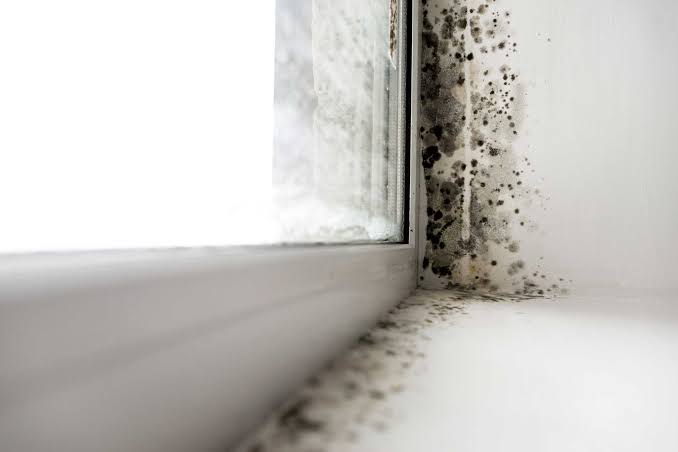
In a climate where humidity rarely drops below 70%, prevention isn't optional — it's ongoing maintenance. We offer moisture audits that check the usual South Florida failure points before they become a full remediation job: AC condensate lines and drip pans, attic ventilation, window and door seals, and grading around the foundation that can push water toward the structure instead of away from it.
For homes and buildings that have already had one mold event, we can recommend and help coordinate supplemental dehumidification, vapor barrier installation, and drainage improvements sized to the specific building — a CBS block home, a wood-frame historic property, and a condo unit each need a different prevention plan.
A little maintenance between hurricane seasons is a lot cheaper than another full remediation job after the next one.
📞 Call 561-960-5725
Request This Service
* Indicates required field
The Moisture Audit: What We Actually Check
In a climate where humidity rarely drops below 70%, a moisture audit walks through the usual South Florida failure points before they become a remediation job: AC condensate lines and drip pans, attic ventilation, window and door seals, and grading around the foundation that can direct water toward the structure instead of away from it.
Prevention Plans Differ by Building Type
A CBS block home, a wood-frame historic property, and a condo unit each have different vulnerable points and need a different prevention plan — a block home's risk is often concentrated at window and roof penetrations, a wood-frame historic property at aging envelope seals, and a condo unit at shared systems the owner doesn't fully control. We size recommendations to the actual building, not a generic checklist.
For Buildings With a Prior Mold Event
For homes and buildings that have already been through one remediation, we can recommend and help coordinate supplemental dehumidification, vapor barrier installation, and drainage improvements aimed at the specific cause identified during that prior job — since a little maintenance between hurricane seasons is a lot cheaper than another full remediation after the next one.
What a Moisture Audit Report Looks Like
A moisture audit produces a written report, not just a conversation — room-by-room ambient humidity readings taken with a hygrometer, thermal imaging findings at windows, exterior walls, and known trouble spots, and moisture meter readings at any location that looked questionable on the thermal scan. From there, we put together a prioritized punch list ranked by both risk level and relative cost, so you can see clearly which items address the biggest exposure — a failing condensate line, say — versus lower-priority items like weatherstripping that matter but aren't urgent.
Dehumidification: Whole-House vs. Standalone Units
A ducted, whole-house dehumidifier ties into the existing HVAC system and treats the entire home's air uniformly, which makes sense for a property with a chronic, broad humidity problem rather than one isolated room. A portable, standalone unit is often the better fit for a single problem area — a closet, a bathroom without adequate ventilation, a garage — where running whole-house dehumidification would be overkill for one room's issue. Sizing matters either way; in South Florida's humidity load, an undersized unit of either type runs constantly without ever pulling the space down to a safe range, while an oversized one short-cycles and doesn't run long enough per cycle to remove much moisture at all.
Simple Maintenance Homeowners Can Do Between Visits
Not everything requires a professional visit. Flushing AC condensate lines periodically — sometimes with a vinegar solution or a drop-in algaecide tablet — helps prevent the algae and sediment buildup that causes the clogs behind so many condensate-related mold calls. Checking window and door weatherstripping for gaps or wear once or twice a year catches a cheap fix before it becomes a moisture entry point. Keeping gutters and downspouts clear, especially heading into wet season, keeps roof runoff moving away from the foundation instead of pooling against it, which matters more in a climate that can drop several inches of rain in a single afternoon.
Why Prevention Costs Less Than the Next Remediation
A moisture audit plus the minor fixes it typically identifies — a condensate line service, some weatherstripping, a grading adjustment — is a modest expense compared to a full remediation job that includes containment, material removal, drywall and flooring replacement, and clearance testing after the fact. We're not selling fear when we say that; it's simply the difference between addressing a small, known issue on your schedule versus an urgent, larger one on nobody's schedule. Homes that have already been through one remediation are, in our experience, the ones most receptive to this math, because they've already seen what the alternative costs.
Seasonal Timing: The Best Time of Year for a Moisture Audit
Spring, before wet season and hurricane season ramp up in June, is the ideal window for a moisture audit — it gives you time to act on any findings before the months when humidity, rainfall, and storm risk all peak at once. That said, we perform audits year-round, and a home that's just been through a remediation benefits from an audit as soon as that job wraps, since it's the best-documented moment to identify the moisture source that caused the original problem and confirm it's actually been addressed rather than just papered over.
Humidity Targets: What Number Should You Actually Aim For
Most building science guidance puts ideal indoor relative humidity between 30% and 50%, with mold risk climbing meaningfully once indoor humidity sits above 60% for sustained periods — and a lot of South Florida homes run in that higher range without anyone realizing it, since the air can feel comfortable at 65% RH even though it's already in mold-friendly territory. A basic hygrometer, sold at most hardware stores for well under the cost of a service call, lets a homeowner monitor this on their own between our visits, and we recommend clients check it seasonally rather than relying purely on how a room feels. If a hygrometer consistently reads above 60% in a specific room despite the AC running normally, that's worth a call before it becomes a visible problem.
Prevention for Homes Already Listed or Under Contract
A moisture audit isn't just for homeowners planning to stay put — it's also worth considering for a home that's about to go on the market, since the same failure points a buyer's mold assessor would flag during due diligence are exactly what a pre-listing audit identifies first, on the seller's own schedule rather than under closing-deadline pressure. Addressing a flagged condensate line or a gap in weatherstripping before listing turns a potential negotiating point into a non-issue, and it pairs naturally with the kind of pre-listing mold testing we offer for older housing stock specifically.
Areas We Serve
Proudly providing mold remediation across the region:
- West Palm Beach, FL
- Lake Worth Beach, FL
- Palm Beach, FL
- Royal Palm Beach, FL
- Wellington, FL
- Riviera Beach, FL
- Boynton Beach, FL
- Delray Beach, FL
- Jupiter, FL
- North Palm Beach, FL
- Greenacres, FL
- Lake Clarke Shores, FL
Get Mold Prevention & Moisture Control in West Palm Beach Today
Fast response, upfront pricing, and friendly local pros. Call now for a free quote.
📞 Call 561-960-5725